Save 30% on your first year

Fiscal receipts citizens actually keep

Smartbills delivers the fiscal record of every sale to the citizen's wallet, where they can check it against the tax authority's own copy.

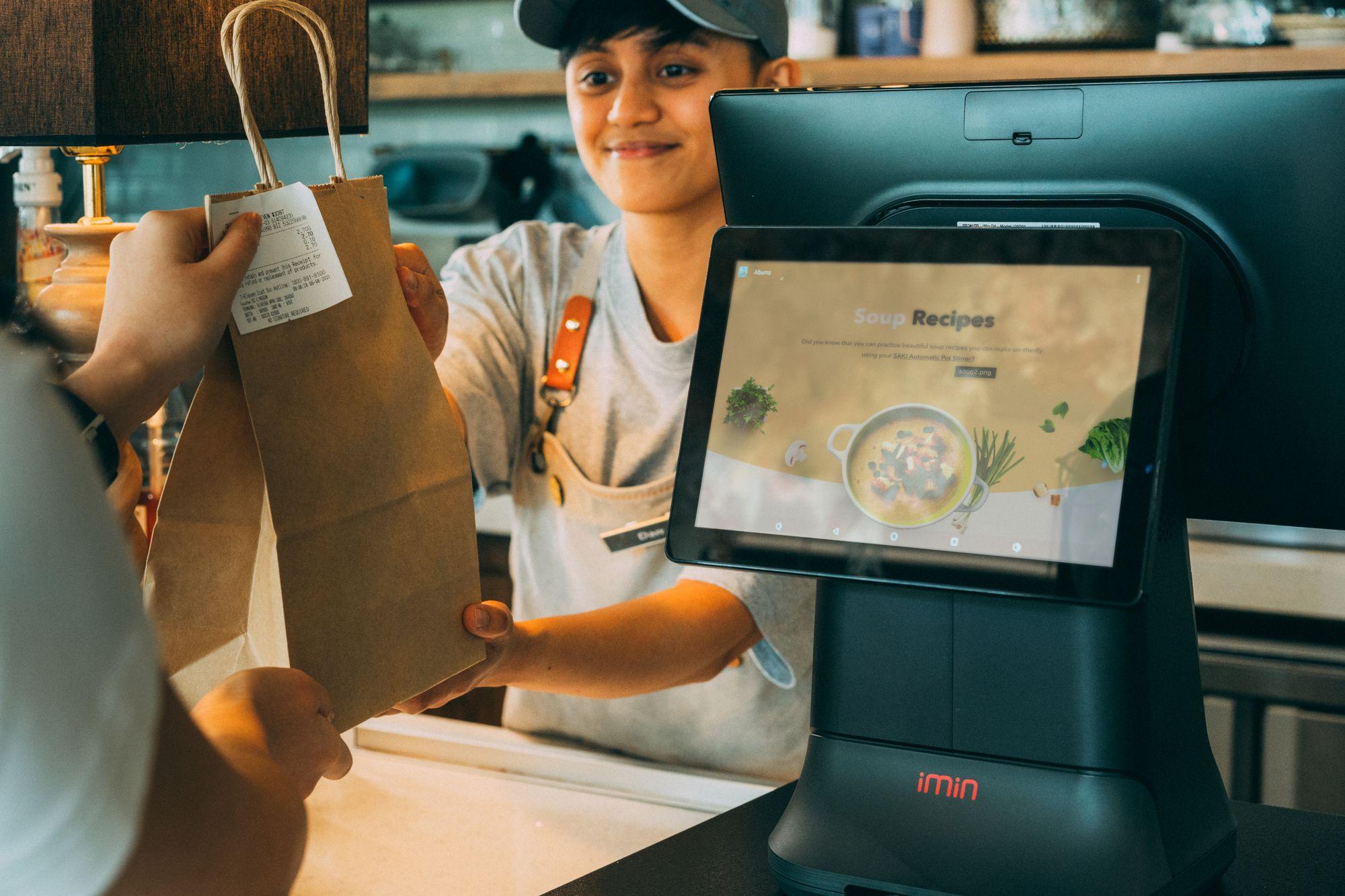
A cashier hands a customer their order at a point of sale

Smartbills delivers the fiscal record to the citizen's wallet and leaves the authority's platform as the system of record.

Ready for your fiscalization rules

Fiscal receipts with their verification codes and QR intact, e-invoices on EN 16931 with your national CIUS, SAF-T extracts, or a custom envelope through your own endpoint. The merchant's obligation stays exactly as it is.

  • EN 16931 / UBL 2.1 with national CIUS extensions
  • Real-time B2C fiscalization formats with their verification codes
  • From the fiscal device, the POS platform, or your endpoint

Delivered where citizens already keep receipts

Into the Smartbills wallet, or into the state's own application under its brand, through the same API that puts receipts inside banking apps. In both cases the citizen does nothing at checkout.

  • The Smartbills wallet, or your app through the Embedded Receipts API
  • No enrolment at the point of sale, no app required to receive
  • Paper and the mandate's existing channels continue unchanged

Verification for citizens, aggregate insight for you

The citizen can confirm a receipt against the authority's record and flag a sale that was never fiscalized. What comes back to the administration is participation and compliance in aggregate, never an individual's purchase history.

How fiscalization works

  1. Fiscalized as today

    The merchant's fiscal device or certified POS reports to the authority as the mandate requires. That chain doesn't change.

  2. The record is collected

    From the device, the POS platform or your endpoint, with its verification code and structure intact.

  3. It reaches the citizen

    Within seconds, in the Smartbills wallet or your own app, laid out the way you defined.

  4. Verified and reported

    Citizens can check each receipt, and the administration sees participation and compliance in aggregate.

FAQ

Frequently asked questions

What people ask us before they sign up.

Fiscalization is a government requirement that each sale is recorded and reported to the tax authority, usually through a signed fiscal record produced at the point of sale. Smartbills takes the fiscal record your mandate already produces and delivers it to citizens as a receipt they keep and can verify.

No. Smartbills doesn't sit between the merchant and the tax authority, doesn't certify anything and doesn't change the chain of custody your mandate defines. It is the citizen-facing layer on top of a regime that already works.

An itemized receipt they don't have to file and can check against the authority's record. Over a year, those receipts add up the consumption tax the household paid, pick out the medical or childcare lines a tax credit depends on, and keep track of warranty and return deadlines. The citizen never has to ask for it at checkout.

No. The same delivered record serves three purposes: citizens can see the consumption tax they paid and confirm it was collected, households can see where their money goes and claim what they're owed, and the program gets anonymized aggregate price data from far more merchants than any scanner-data panel covers. The governments solution page goes into each one.

Two models cover nearly all of them. The first is real-time B2C fiscalization, where the receipt carries a verification code the citizen can check, as in Croatia's Fiskalizacija and the regimes modelled on it. The second is structured e-invoicing on EN 16931 with a national CIUS, which is where the EU is heading under ViDA and where Portugal, Italy and Poland already are.

Yes. Embedded Receipts, the same API that puts receipts inside banking apps, can deliver into your application instead. Some administrations want the wallet to be theirs. The case for using ours is adoption, since a single-purpose state app gives people little reason to open it between tax seasons.

No, and that's guaranteed by how the system is built rather than by a policy. Participation and compliance flow back in aggregate, while citizen-level data stays with the citizen. Any access to it requires consent, is limited to a stated purpose and is logged.

In your jurisdiction, on infrastructure you approve, under a data-processing agreement written to your framework. For a public program it's usually the first question asked.

Usually nothing. Merchants on a point-of-sale platform Smartbills already connects to start sending as soon as the program is switched on. For everyone else, the fiscal device already produces the record the mandate requires, and that output is what Smartbills ingests.

With a bounded pilot in one region or one merchant category, measured on receipts delivered, receipts verified and wallet retention rather than installs. It shows what participation looks like in your market before anyone commits to a national rollout.

Get started

Give citizens their copy of the record.

Tell us which regime you run and we'll walk you through what the citizen would see.